HOUSTON AND THE SUBLIME: ATMOSPHERE AND ABSTRACTION
by Alice Liu | class of 2020, Economics, Rice University
ABSTRACT
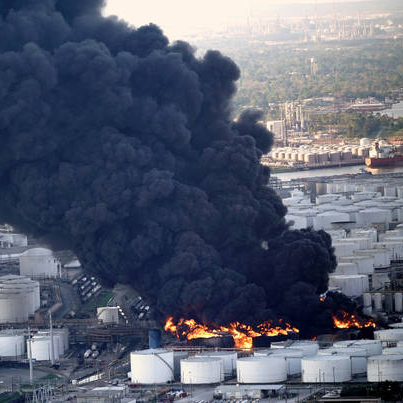
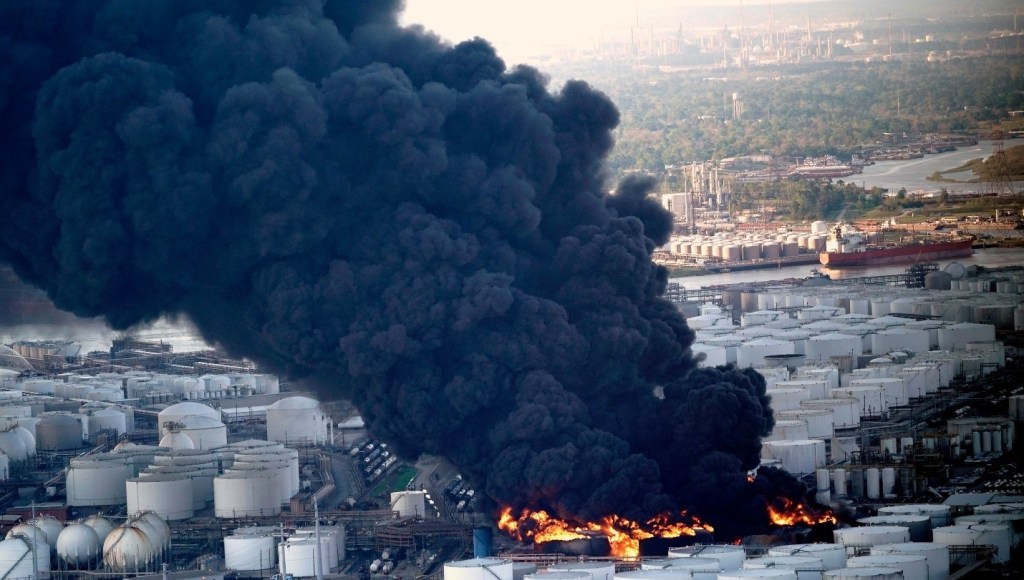
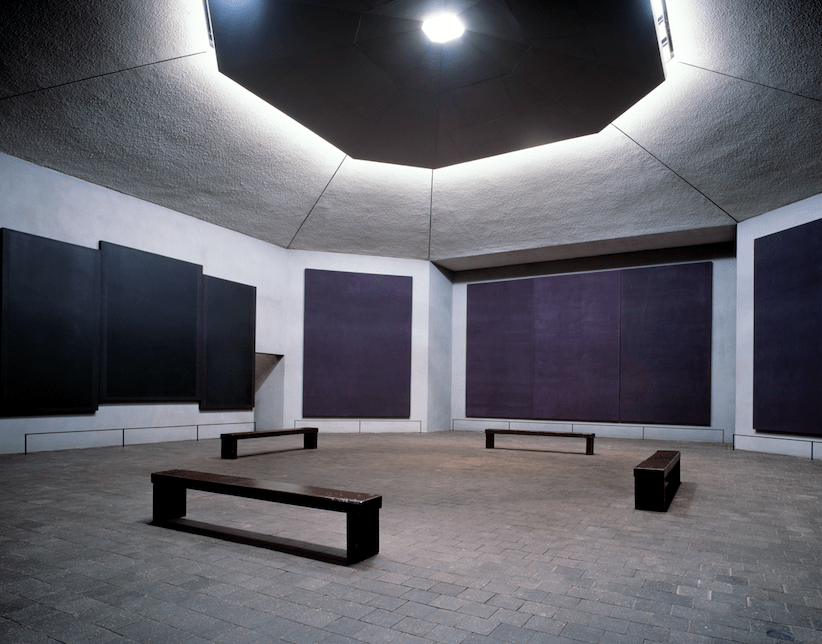
In this podcast episode, I explore two contrasting notions of the sublime that have shaped the city of Houston. Offering a contemplative and beautiful sublime, the paintings in the Rothko chapel function as a window to the infinite beyond. Founder Dominique de Menil envisioned the space to provide “an orientation towards the highest aspirations of Man and the most intimate calls of conscience”. In contrast, the terrifying and visceral sublime manifested in the devastation of Hurricane Harvey, which tore individuals away from their ordinary sense of safety as much as it
brought communities together. The disaster ingrained a heightened awareness of the coastal city as uniquely vulnerable to natural forces of destruction.
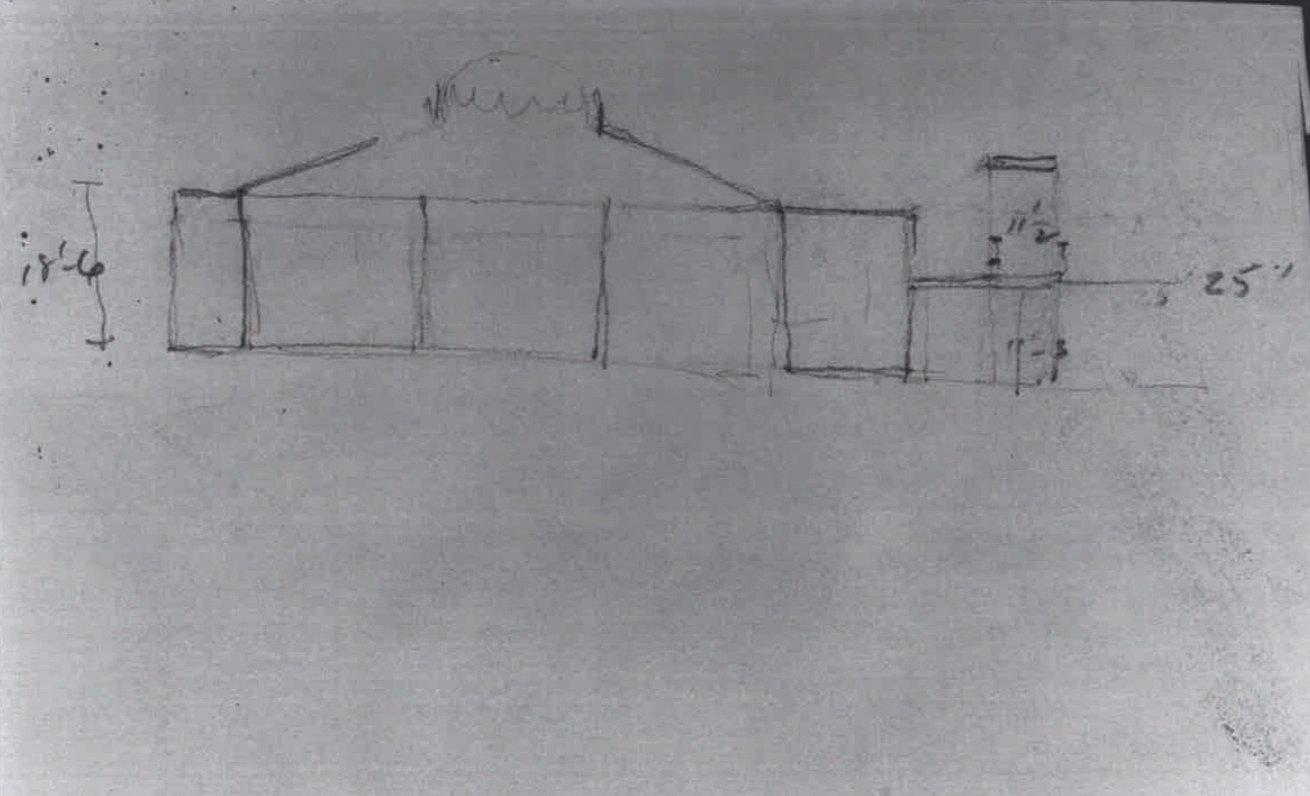
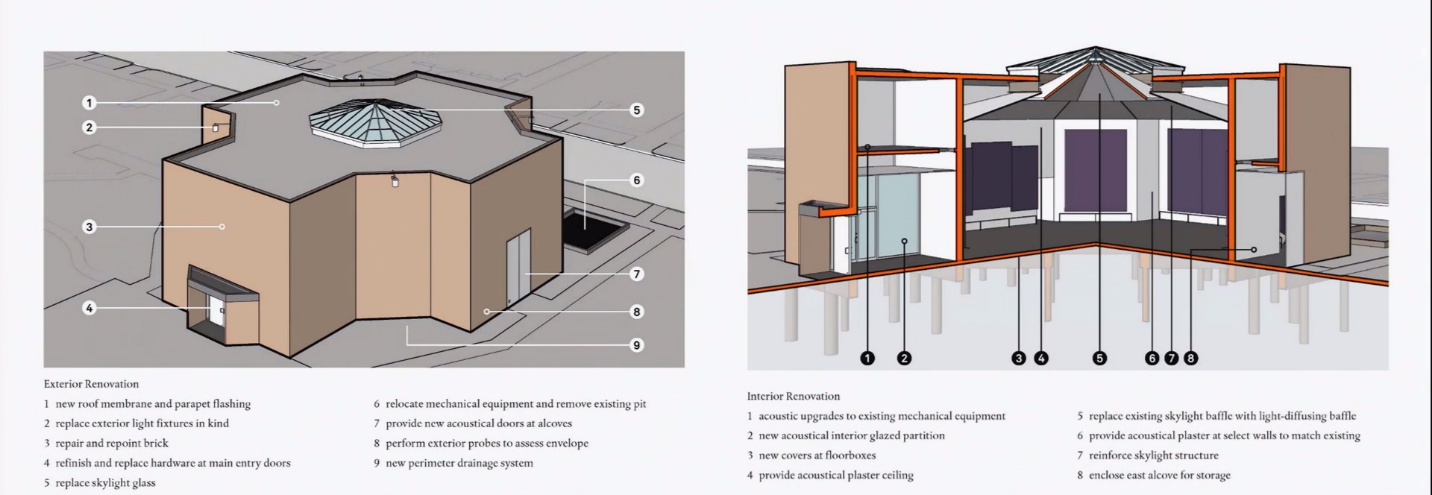
In both cases, the relationship between habitation, built environment, and natural surroundings are blurred. The chapel’s history of renovations has attempted to regulate the effect of natural light on the space, tying into a larger effort to create a totalizing aesthetic experience. For Houston, the city’s development has required geoengineering through straightening out bayous and building reservoirs to make the area livable, extending all the way to home elevation post-Harvey.
The sheer materiality of disasters tears us out of the comfort of our everyday lives. Perhaps the sublime as experienced in a totality of art such as the Rothko chapel offers a similar duality of insight; in the death-like impoverishment of sense, we find both an inwards orientation towards our individual consciousness and an outwards vision towards the aspirations of all beings. These distinct experiences may be able to help us grasp ecological catastrophe and challenge the myth of unregulated development and extraction.


BIBLIOGRAPHY
Bersani, Leo. Arts of Impoverishment: Beckett, Rothko, Resnais. Cambridge, Harvard University Press, 1993.
Collier, Kiah. State regulators: No ‘immediate health concerns’ from Deer Park terminal fire. The Texas Tribune, 2019.
Debord, Guy, Wolman, Gil. A User’s Guide to Detournement. es Lèvres Nues #8. 1956.
Harris County Flood Control District. Harris County’s Flooding History. 2019.
Jay, Martin. No State of Grace: Violence in the Garden, Sites Unseen: Landscape and Vision. University of Pittsburgh Press, 2007.
Morton, Timothy. Sublime Objects, Speculations II.
Scott, James. Seeing Like a State. Yale University Press, 1999.
Sibley, Marilyn. Houston Ship Channel. Texas State Historical Association, Handbook of Texas Online, 2015.
Strunk, Oliver. Source Readings in Music History: The Romantic Era. New York, 1965.
 EVOLUTION CUSTOM BUILT